How to Build a Bee-Friendly Garden
We get asked about this a lot — at the shows, at our workshops, from guests staying at the farm. People want to help the bees but aren't sure where to start. The good news is that you don't need a lot of space, a lot of money, or a lot of experience. You just need to be a little intentional about what you plant and how you care for it.
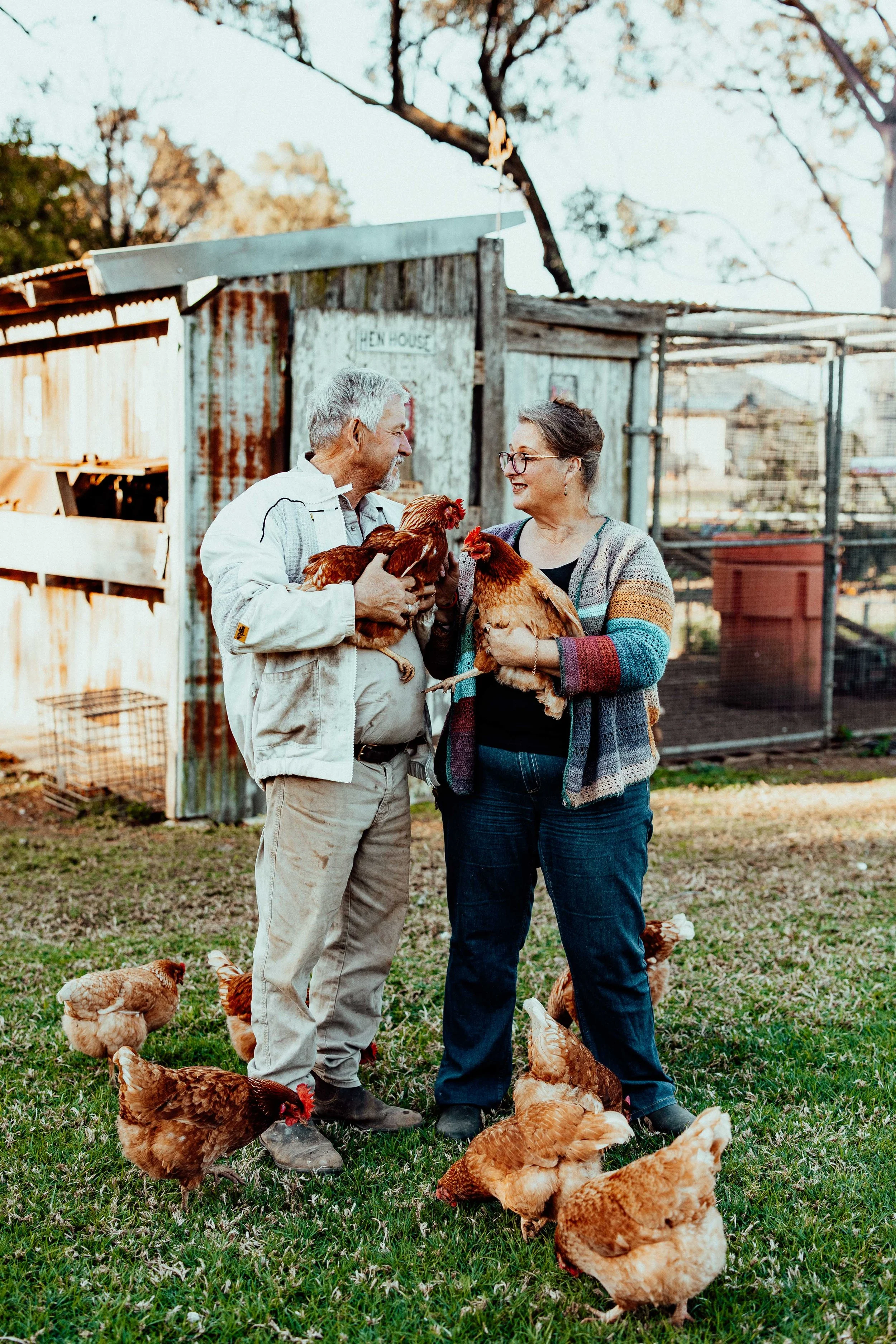
Here's what we've learned from years of gardening alongside our hives at Theresa Park.
Start with flowers that bees actually love
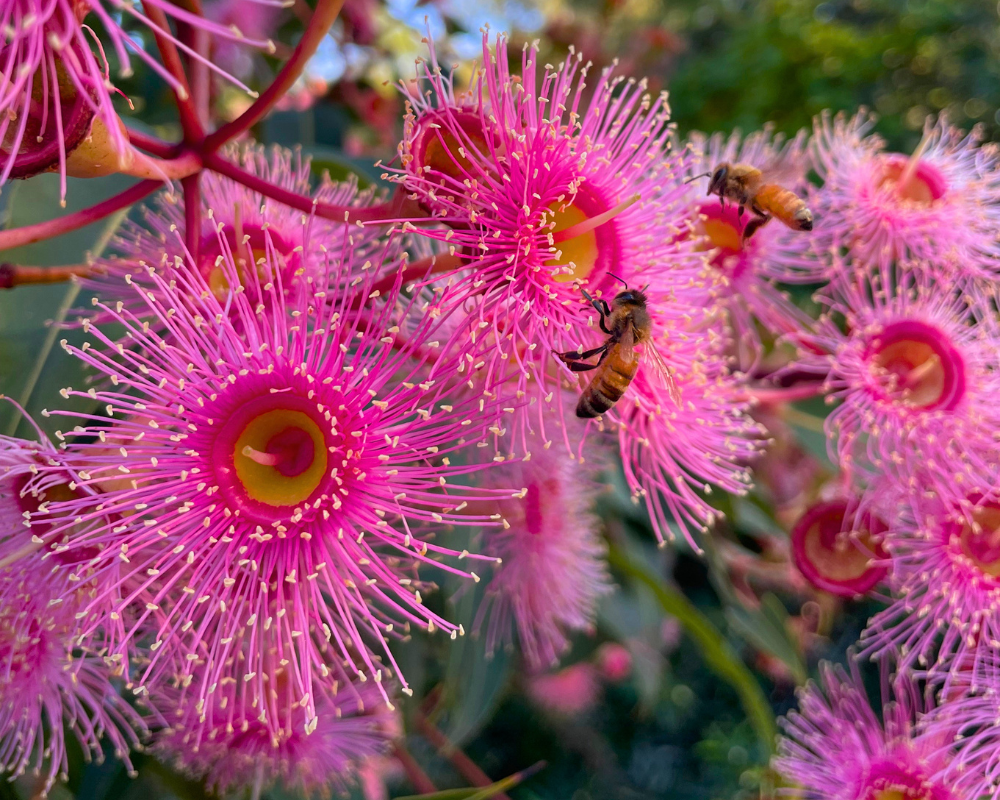
Not all flowers are created equal when it comes to bees. They're drawn to open, simple blooms where the pollen and nectar are easy to access — lavender, borage, sunflowers, marigolds, and echinacea are brilliant starting points. Native plants are particularly valuable because they've evolved alongside our local bees over thousands of years. If you're in NSW, ask your local nursery about what's native to your area and start there.
Think about flowering across the seasons
This is Stuart's big one. A garden that only blooms in spring doesn't feed the bees through autumn and winter when food can be scarce. Try to have something flowering in every season — even if it's just a pot of winter-flowering herbs on a balcony. The bees will find it.
Let your herbs go to flower
Basil, rosemary, thyme, sage, chives — once they bolt and flower, bees absolutely swarm them. Most people cut them back before this happens. Try leaving a few to do their thing. You'll be amazed at the activity.
Ditch the pesticides
This one is non-negotiable for us. Pesticides don't distinguish between the insects you want and the ones you don't. If you're trying to support bees, you can't be spraying. Look into companion planting as a natural alternative — certain plants naturally deter pests without harming the good guys.
Leave a little water out
Bees need water, especially in summer. A shallow dish with some pebbles or marbles in it (so they can land without drowning) placed near your garden makes a real difference on hot days. We have several around the property and the bees use them constantly.
Embrace a little wildness
A perfectly manicured lawn isn't much use to a bee. If you can leave a corner of your garden a little wilder — some clover, some dandelions, some long grass — you're giving bees and other pollinators a habitat, not just a food source. It doesn't have to be messy. It just has to be alive.
Plant in clusters
Bees are efficient. They'd rather visit ten lavender plants in one spot than fly all over the garden finding one of each. Planting in generous clusters makes your garden more attractive to them and means you'll see more activity overall.
You don't have to do all of this at once. Start with one thing — a pot of lavender on a sunny windowsill, a dish of water in the garden, a handful of wildflower seeds scattered somewhere you've given up trying to grow anything else.
Every small thing adds up. The bees will notice. And honestly, so will you.
with love,
Ally & Stuart